
Mastering FP&A Transformation: Selecting the Right System and Ensuring Successful Implementation
/Passle/66b0e16610008cf7be5e944d/SearchServiceImages/2025-12-12-16-48-31-129-693c475f2a1eb292d8bffb42.jpg)
Share:
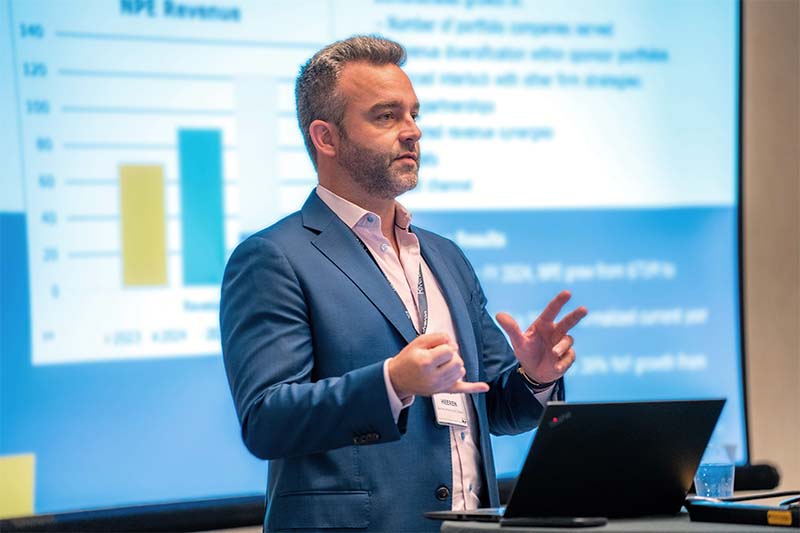
Riveron’s Glenn Snyder recently co-hosted the FP&A Unlocked podcast alongside Paul Barnhurst, joined by financial systems and planning expert James Myers, to discuss the complexities of FP&A software implementation. If you’re preparing for a software upgrade or implementation, here are some key takeaways to help you do it right the first time.
What Makes “Great FP&A”?
“The role of FP&A is to be a true value partner to the business, combining data, strategy, and people,” James told us (podcast timestamp: [00:02:06]). Great FP&A isn’t just about technical accounting or modeling skills. It’s about acting as a genuine business partner by looking at the big picture and optimizing data cleansing and analysis, to turn complex financial data into clear, actionable insights ([00:02:40]-[00:03:05]). FP&A teams don’t just produce reports; they serve as the organization’s decision-making engine, where the right systems and processes are essential to drive impact.
Four Signs Your FP&A System is Broken:
James outlines four major indicators that a company needs a new planning system:
-
Inability to scale: Lacks flexibility for new business units or M&A, heavy dependence on Excel, or manual processes.
-
Planning pain: Creates repetitive data entry, version-control issues, constantly chasing stakeholders.
-
Poor planning outcomes: Limits the ability to perform robust scenario modeling, risk analysis, and stress testing, even if the tool generates basic answers.
-
Limited access to new technology: Prevents the organization from adopting modern capabilities such as AI, automation, and advanced modeling.
Glenn led or advised on six implementations and shared an experience where a planning tool existed, but all the actual work remained in spreadsheets. Data was prepared externally, loaded into the system for calculations, then exported again for reporting—effectively making the system an expensive calculator ([00:07:28]-[00:08:02]).
Experiences like this make it clear that selecting the right planning system is critical. Which raises a broader question: How should companies think about choosing the right system in the first place? According to James, the conversation starts by understanding the four primary categories of financial planning tools.
The Four Types of FP&A Solutions (The “What”)
FP&A systems can be categorized by functionality:
-
Traditional FP&A planning tools (budgeting, forecasting, comparisons).
-
Close and consolidation tools (month-end, multi-entity consolidation).
-
Modeling-focused tools (complex revenue, manufacturing, retail, supply chain modeling).
-
AI-native tools (still immature for mid-market and enterprise; currently more of a supplement).
These categories form the functional lens for evaluating planning systems.
The Selection Strategy Framework (The “How”)
Building on James’ functional categories, Glenn added a second dimension: the size and maturity of the company, considering that different vendors specialize in different market tiers — startups, others for mid-market businesses, and others for large public enterprises ([00:12:26]-[00:13:48]).
By combining:
(1) Functional categories × (2) Company size/maturity, they created a selection grid that helps match business requirements with system capabilities.
The next step is evaluating the system. Choosing the right tool is only part of the equation; careful planning, stakeholder engagement, and structured processes are critical to achieving adoption, realizing ROI, and avoiding common pitfalls.
Evaluating RFPs and Selecting the Right System
A structured request for proposal (RFP) process ensures that the selected platform aligns with operational and strategic goals. Proof-of-concept testing with “dummy data” allows teams to standardize how vendors are evaluated, compare results consistently, and pressure-test the system against actual planning scenarios using the company’s actual structure and accounts rather than idealized ones that the vendor creates ([00:29:26]). Total cost of ownership — including services, support, and long-term scalability — should be evaluated alongside licensing costs ([00:30:45]). Equally important is assessing the implementation partner’s ability to manage change, guide teams, and anticipate issues ([00:26:58]). Cross-functional input from IT, operations, and accounting ensures integration and usability considerations are captured early. Collectively, these steps create clarity on system performance, partner alignment, and readiness, enabling a smoother transition to implementation.
Implementation Best Practices
-
Define a clear vision and future-state process: Before beginning an implementation, take time to document your current processes and define your future-state vision ([00:41:18]). This groundwork ensures alignment across teams and gives vendors a clear understanding of your business requirements.
-
Engage a cross-functional team: Change management is easier when the right people are involved from the beginning. If they feel that they’re part of the whole process, then it’s going to be a lot easier getting them and their teams to adopt that process ([00:24:04]). Include finance, HR, accounting, IT, and other stakeholders to capture all needs and make it a more collaborative approach ([00:28:03]).
-
Cleanse and prepare your data: The quality of your data directly impacts implementation success. The cleaner your data is, the smoother your implementation is going to go ([00:39:56]). Take time early to standardize and map data to the new system.
-
Consider phased or demand-driven rollout: Start small, prove value, and scale. James stated that some of the most successful implementations start with a big pain point and the answer might include keeping the old system running and focusing on revenue as a modeling problem ([00:37:36]).
-
Prioritize training and documentation: Ensure lasting adoption by equipping your team with recordings and detailed guides for future reference to prevent repeated vendor reliance ([00:36:35]).
-
Maintain a partnership mindset with vendors: Treat the vendor relationship as a strategic partnership, not just a transaction. As your company grows, your vendor should grow and scale with you ([00:35:31]).
At the end of the day, FP&A transformation is about more than systems, it’s about people and process. It’s about building trust, empowering your teams, and creating a culture where finance drives strategy, not just reports. Done right, your team spends less time crunching numbers and more time shaping the future of the business.
Listen to the full podcast conversation here.
Read these related insights: How to Successfully Select and Implement a Financial System.
Sign Up for the Newsletter
Lorem ipsum dolor sit amet consectetur. At nullam dignissim et facilisis ipsum volutpat dui.
Contact us
Lorem ipsum dolor sit amet consectetur. At nullam dignissim et facilisis ipsum volutpat dui. Velit eu amet odio dignissim nunc nisl.


More Insights
Is Your Business Ready to Go Public? Find Out Where You Stand

The Ramp That Won’t Ramp: Outsized Demand in Aerospace, Defense, Aviation & Space and What Suppliers Should Do About It

SOC 2 and Penetration Testing: What Your Audit and Customers Expect

Riveron Atlanta Named One of Axios Atlanta’s Top Workplaces for 2026

Contact us
Continue the conversation. Reach out to Riveron’s team of professionals to explore how we can provide the clarity and insight to solve your organization’s most pressing challenges.