


Watch the Replay
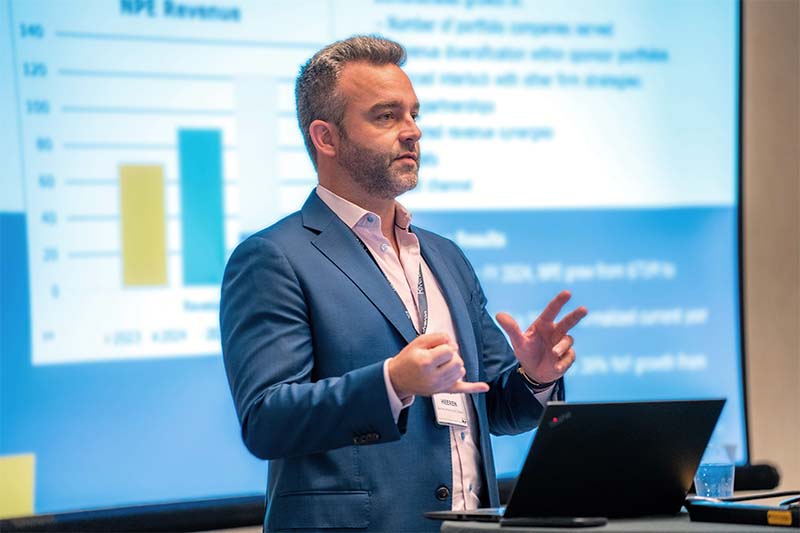
As part of an enlightening panel discussion, Riveron financial advisory and capital markets experts recently shared perspectives on the essential steps CFOs and their teams must take to transition from a private to a public company via an initial public offering (IPO). The year ahead presents a promising outlook for IPOs, as experts recognized macroeconomic factors and other signs indicative of a potential opening of the IPO window in 2024 and beyond.
IPO READINESS KEY TAKEAWAY #1
Planning financial and operational matters proactively
Early planning is key for CFOs and company leaders considering an IPO, especially as the process typically takes 12 to 18 months. Advanced preparation allows companies to nurture valuable relationships with bankers, research analysts, and investors while maintaining flexibility on timing and structure.
As with any major transition, moving from a private to a public company brings its share of financial and operational challenges. Closing the books within the timelines expected by the US Securities and Exchange Commission (SEC), for instance, tends to be a hurdle for many companies, and such challenges can be effectively managed with adequate preparation. When preparing for a public offering, several other elements can impact overall IPO timing and success. These areas include:
- Addressing any necessary financial restatements
- Handling manual journal entries
- Efficiently managing significant acquisitions
IPO READINESS KEY TAKEAWAY #2
Tailoring the investment narrative for various stakeholders
IPO success also hinges on crafting an engaging investment narrative, in which the Office of the CFO and other cross-functional leaders will outline the company’s competitive strengths, market opportunities, strategic direction, and capital allocation priorities. This investment narrative should be customized to resonate with different stakeholders — bankers, research analysts, and investors — each of whom will view the company through a unique lens.
Three best practices for crafting a strong investment narrative:
- Prioritize a simple message. Complexity is not investor friendly during the IPO process and beyond.
- Under-promise and over-deliver, clearly articulating how the company plans to drive value. Targets should be framed within a context that is achievable (if not beatable) over the long term. One expert noted: it takes six to eight quarters for a public company to truly gain credibility, but it only takes one quarter to lose that credibility.
- Be realistic about where the company will play in the market. For example, don’t pretend to be a “unicorn” if your business isn’t one. Framing your position in the most realistic manner helps get the deal done and supports the analyst lens by communicating something investors can hold onto going forward.
The panel discussion highlighted one case study of a tech startup that successfully differentiated itself in a crowded market by focusing on its innovative product features, scalable business model, and strategic partnerships. By aligning its narrative with investor expectations and market trends, the company garnered strong investor interest and achieved a premium valuation at its IPO.
IPO READINESS KEY TAKEAWAY #3
Engaging and incentivizing underwriters
Equally crucial is the selection of underwriters and building the right syndicate. Experts underscore the importance of engaging qualified underwriters, and a smooth IPO process will incentivize underwriters effectively.
Valuation, both at the time of pricing and post-listing, hinges on several factors. Key valuation factors include:
- Setting the right perception during the IPO process and aligning to those expectations post-listing
- Developing a demand pipeline for the stock, garnering support from the IPO roadshow and engaging buy-in and momentum from those who have shown initial interest along the way
- Delivering a strong first earnings call, including being well-prepared for the q-and-a session that follows
Explore insights on honing your IPO investment narrative
In Part 2 of this series, Riveron IPO experts will delve deeper into customizing the investment narrative for the different support groups involved in the IPO process. IPO-track company leaders — alongside other interested parties such as investors and bankers — can look forward to an enlightening discussion on the techniques and strategies that can give them the edge in today’s competitive capital markets landscape.
Register here for Riveron’s IPO Readiness Part 2 panel discussion on investment narrative.