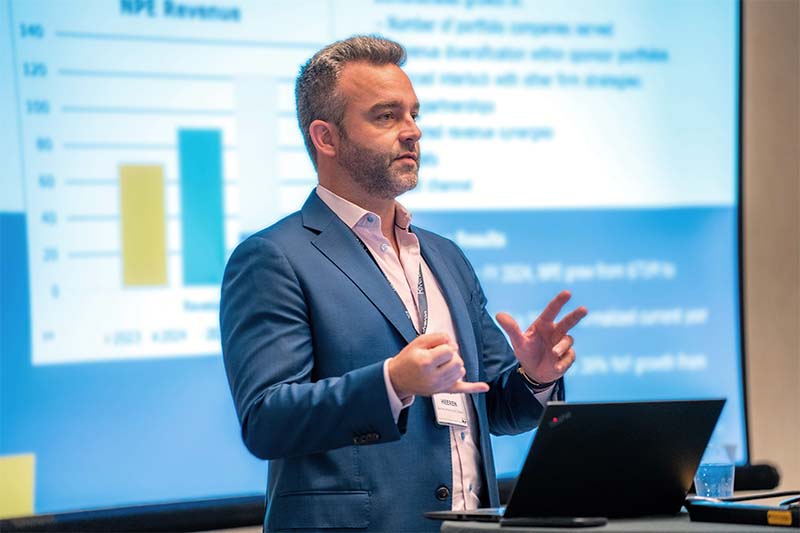
Riveron recently discussed environmental, social, and governance (ESG) and other sustainability matters at a CFO Leadership Council forum. As ESG matters shape business strategies and cause more stringent regulations and frameworks to emerge, the implications span finance, technology, operations, and other interconnected functions. Here is a recap of the key ESG themes that today’s professionals should consider:
KEY TAKEAWAY #1
A comprehensive assessment of materiality is an essential first step on an ESG journey.
Companies currently enjoy ample flexibility in establishing their ESG targets, but despite the range of possible approaches, most ESG practitioners align on the importance of assessing material risks that will drive the ESG strategy. This exercise, commonly called a materiality assessment, allows organizations to solicit feedback from key internal and external stakeholders to identify existing environmental, social, or governance-related risks and determine which elements the organization actively seeks to address and improve.
Based on their primary areas of focus, stakeholders will likely identify varying concerns or assign differing weights when evaluating similar risk areas. For example, in an industrial manufacturing organization, operations leaders may be hyper-focused on reducing the consumption of electricity, water, or other resources, while stakeholders in procurement may be more focused on minimizing their exposure to suppliers with ties to unethical sourcing practices. In addition, external investors may be concerned with board composition or compensation and how that impacts the value of the organizations in which they invest.
While any such concern could be valid or important, a transparent materiality assessment is critical to identify risks and present them in a consistent format so the whole organization can agree on the key areas of focus for an ESG function. Additionally, engaging stakeholders from across the organization and even third-party subject matter experts can help an organization access a greater volume of information and reduce any potential blind spots, which increases the likelihood that the materiality assessment findings are comprehensive and relevant.
KEY TAKEAWAY #2
Ownership of a company’s ESG reporting function does not have to align with traditional organizational structures.
Company priorities might vary, but the ESG functions of most publicly traded organizations primarily focus on investment-grade disclosures in audited financial statements. To support accurate disclosures, the ESG function is tasked with gathering, analyzing, and presenting data from a wide variety of sources (like the consumption of water, electricity, and other utilities within a manufacturing facility or carbon emissions from individual oil drilling rigs or a company’s vehicle fleet), some of which may not exist in the current state. These data sources may come from segments of the organization that have not had to traditionally report outside of their immediate chain of command.
Because of the need to aggregate new and existing data from a variety of sources, executive leaders should provide their ESG function with a mandate that empowers it to work effectively with a broad set of partners. This means that an organization needs to evaluate its own culture and leadership styles when defining where ESG sits organizationally.