
Share:
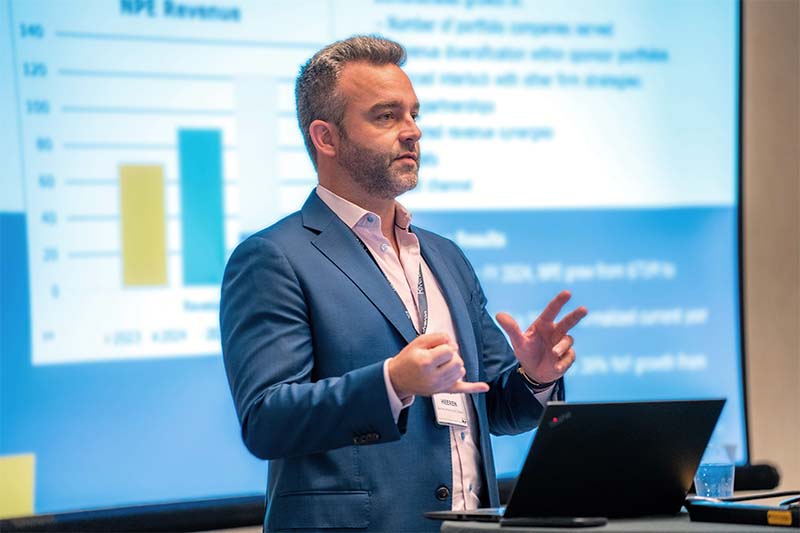
In February, the International Financial Reporting Standards (IFRS) Foundation convened a diverse group of stakeholders at its inaugural Sustainability Symposium. The event highlighted the International Sustainability Standards Board (ISSB) and its work toward integrating sustainability frameworks and standards bodies. These aim to create a global baseline that can be endorsed and leveraged across markets. One key group of stakeholders includes institutional investors, who are driving this shift because they need transparent and comparable sustainability disclosures to make investment decisions. Meanwhile, CFOs and sustainability leaders are identifying better ways to disclose ESG information to manage critical sustainability risks and create long-term business value.
For preparers of sustainability reports, the continued adoption of SASB and TCFD in line with capital market and industry trends will help companies plan for global sustainability reporting requirements.
The symposium kicked off with a major announcement that the ISSB officially completed the technical review for its inaugural standards (S1 and S2). In addition, perspectives from investors, regulators, preparers, and auditors considered several ESG investing, reporting, and assurance needs.
The symposium’s rich and challenging discussions shed light on prevalent trends for investors, sustainability practitioners, and business leaders and how each stakeholder can align ESG strategies and prepare for the path forward. Here are key takeaways for CFOs and ESG leaders:
TCFD is the global language of investors and sustainability reporting
In addition to being an investor-friendly tool, governments from around the globe are supporting or adopting TCFD-style reporting regulations, including the US Securities and Exchange Commission’s (SEC) proposal for climate-related disclosures and the European Sustainability Reporting Standards (ESRS). The IFRS standards are built on the TCFD framework, reinforcing that the voluntary framework’s core recommendations will be universally adopted. This includes the structured disclosure of a company’s strategy, governance, risk management, and relevant metrics in relation to financially material climate risks and opportunities.
Investors view SASB as a priority
While the ISSB tackles how to make the SASB standards more friendly to global markets, the industry-specific SASB disclosure topics and metrics will remain as illustrative guidance and a reference for preparers. As the IFRS sustainability standards take hold and take on a more internationally applicable scope, the SASB name may change, but the concept of guiding companies on ESG reporting metrics beyond climate change is here to stay. An ISSB working group is tasked with developing recommendations for the ISSB related to the maintenance, evolution, and enhancement of the SASB standards. Most importantly, the SASB metrics provide decision-useful data points to inform investors’ allocation of capital (including management oversight, human capital metrics, and other environmental metrics, such as water use and waste management).
The effective date is just a tipping point
The ISSB announced a January 1, 2024 effective date for its inaugural standards to be ready for regulatory adoption. This effective date doesn’t equate to an implementation date for companies preparing sustainability reports. First, the ISSB continues to be a voluntary framework. A multi-year runway is likely before a corporate response would be required, and the ISSB will actively engage with companies considering voluntary adoption. While there is currently no reporting requirement for the ISSB standards, the ISSB has engaged with a Jurisdictional Working Group (which includes members from locations such as the United States, United Kingdom, Japan, and others) and will work with International Organization of Securities Commissions (who welcomed the ISSB announcement) to support capacity building and widespread regulatory adoption across global jurisdictions.
Assurance requirements are gaining clarity
While the final standards must still undergo some key reviews and approvals, the technical content is complete. Assurance protocols over sustainability reporting will continue to be developed as the ISSB standards are reviewed by the International Auditing and Assurance Standards Board. It’s expected that the International Standard on Sustainability Assurance (ISSA 5000) will follow similar approaches to assurance standards over financial reporting that are in line with the AICPA’s Standards for Attestation Engagements.
How to prepare and align your organization with the ISSB standards:
- Consider starting with SASB. The SASB indicators are often small in number and are arguably the most approachable metrics to those who are still in the early stages of building their sustainability reporting approach. SASB indicators are industry-specific and based on risk management principles, which can provide a practical and comparable look at how industries are managing sustainability metrics. Whether companies prepare full or partial SASB disclosures, investors will continue to seek comparable metrics within industry sectors to inform their decision-making.
- Organizations reporting to CDP should anticipate changes. CDP aims to help manage environmental impacts by running a global disclosure system for investors and organizations. While a specific timeline was not provided, CDP has announced that it will adopt the indicators of the IFRS Sustainability climate standard (S2). As a result, consideration of these standards may shift to a shorter timeline. CDP will announce any changes to indicators, but there will likely be stricter guidance on scenario analysis, transition planning, and biodiversity in future iterations.
- Blueprint your company’s TCFD Response. US-based companies are already awaiting the final SEC rule, but many CFOs and corporate ESG leaders might be unaware that the proposed rule mentioned TCFD more than 100 times, underscoring the importance of the framework. The SEC is predicted to follow the global support of TCFD within its own regulations. Outside of the United States, TCFD support is building globally, with reporting requirements in place in the United Kingdom, Japan, Hong Kong, and Singapore. In short, if a company starts with TCFD as a basis for its sustainability reporting journey, it will be prepared for alignment with the SEC climate disclosure rule and the ISSB’s IFRS S2.
For preparers of sustainability reports, the continued adoption of SASB and TCFD in line with capital market and industry trends will help companies plan for global reporting requirements aligned to the IFRS Foundation’s inaugural sustainability standards. In the United States, this initiative will also prepare companies for the proposed SEC climate disclosure rule. In the transition period, it’s clear industry-aligned metrics and the internationalization of SASB concepts will continue to influence the ISSB and future standard-setting.
Sign Up for the Newsletter
Lorem ipsum dolor sit amet consectetur. At nullam dignissim et facilisis ipsum volutpat dui.
Contact us
Lorem ipsum dolor sit amet consectetur. At nullam dignissim et facilisis ipsum volutpat dui. Velit eu amet odio dignissim nunc nisl.


More Insights

Rethinking LMEs: Financial Engineering Without Operational Reform Is a Path to Value Destruction

Fraudulent Employees—the Newest Insider Threat? Defending Against State Actors


Riveron Recognized Among Top Manufacturing Due Diligence Consulting Firms for 2026 by DealRoom

Contact us
Continue the conversation. Reach out to Riveron’s team of professionals to explore how we can provide the clarity and insight to solve your organization’s most pressing challenges.